
01
SYMPTOM REVIEW
Determine what the breaker is doing, which circuit is affected and what equipment was operating when the issue occurred.
CIRCUIT PROTECTION / NORTHERN VIRGINIA
A breaker that repeatedly trips, will not reset, feels unusually hot, buzzes or shows signs of damage should be evaluated before it is simply replaced. The breaker may be the problem—or it may be responding correctly to an overloaded circuit, short circuit, ground fault, equipment fault, wiring condition or panel issue.
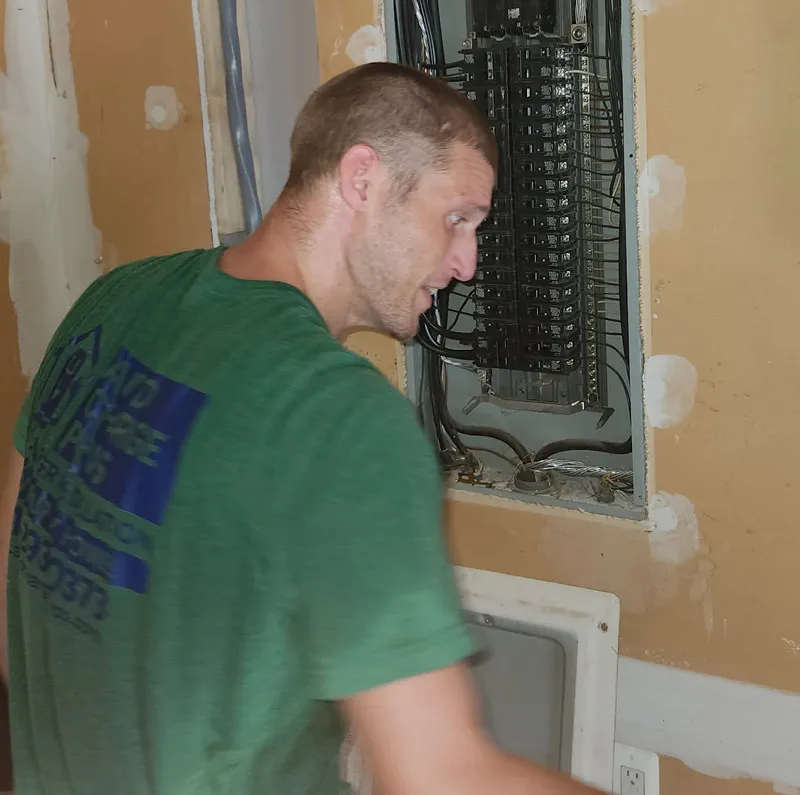
Auto Charge Pros diagnoses the circuit first and replaces the breaker when the findings support that repair. Owner and Virginia Master Electrician Nick Wilson personally performs the electrical work, with no subcontractors.
Virginia Master Electrician • Licensed & Insured • Owner-Operated
01 / why breakers trip
Circuit breakers are designed to open the circuit when electrical conditions exceed what the circuit and equipment are designed to carry. Repeated tripping therefore needs to be diagnosed before deciding the breaker itself has failed.
Possible causes can include:
Replacing a breaker without identifying the cause can leave the original electrical problem unresolved. A suspected bad circuit breaker should be treated as a finding to confirm, not an assumption.
02 / breaker amperage
The breaker rating must be appropriate for the conductors, circuit design and connected equipment. Installing a higher-amperage breaker simply to stop nuisance tripping can remove the protection the circuit was designed to provide.
If the circuit is overloaded for the equipment being used, the correct solution may involve reducing the load, correcting the equipment problem or installing an appropriately designed dedicated circuit—not increasing breaker size without redesigning the circuit.
Breaker amperage follows the circuit. The circuit does not become larger because a larger breaker fits in the panel.
03 / breaker compatibility
A breaker should not be selected simply because it physically snaps onto the bus. Panelboards are designed and marked for specific breaker types.
Auto Charge Pros verifies the panel manufacturer, panel model where available, breaker family, pole configuration, amperage, voltage and required protective functions before selecting a replacement.
In some applications, a breaker from another manufacturer may be specifically UL Classified for use in an identified panelboard. That compatibility must be documented for the exact application rather than assumed.
04 / AFCI & GFCI breakers
Some residential circuits use breakers that provide additional arc-fault, ground-fault or dual-function protection. Repeated tripping should not be “solved” by replacing a protective breaker with a standard breaker simply to stop the trip. GFCI breaker replacement and AFCI breaker troubleshooting both require evaluating the circuit before the protective device is changed.
When troubleshooting these circuits, evaluate:
If AFCI or GFCI protection is required for the circuit or installation, the completed repair must preserve the applicable protection.
GFCI & AFCI Upgrades ↗05 / heat & panel damage
If a breaker or the connection to the panel has overheated, replacing the breaker alone may not be an adequate repair. The breaker connection, panel bus or mounting point should also be evaluated for heat damage or deterioration.
Possible signs can include:
When panel damage is found, the repair recommendation should be based on the actual condition. A damaged breaker does not automatically mean the entire panel must be replaced—but significant bus or equipment damage can require a larger repair.
Electrical Panel Upgrades ↗06 / breaker will not reset
A breaker that will not remain reset may still be detecting an electrical fault on the circuit. The connected load, circuit wiring and breaker should be evaluated before assuming the mechanism itself has failed.
Do not repeatedly force or cycle a breaker that immediately trips again.
If there is active smoke, arcing, severe overheating or fire, leave the area and contact emergency services. Do not use the estimate form for an active emergency. Do not open or test an energized panel.
07 / tandem breakers
Only when the panel is specifically designed and listed to accept the appropriate tandem breaker in the intended position.
The fact that a tandem breaker physically fits does not mean the panel is designed to use it there. Panel labeling and equipment requirements must be reviewed first.
A tandem breaker creates additional circuit positions within an approved panel configuration; it does not increase the electrical service capacity of the home.
Electrical Panel Upgrades ↗08 / new circuits
Installing a breaker for new equipment is different from replacing an existing failed breaker. A new circuit must be designed around the connected load, conductor requirements, equipment specifications, electrical capacity and applicable protection requirements.
Examples can include:
09 / EV charger breakers
EV charging is a substantial continuous electrical load, so the breaker, conductor size, charger configuration and available service capacity must all be designed together.
A 48-amp continuous charging configuration is typically supplied by an appropriately designed 60-amp dedicated circuit when the home and charging equipment support that output.
For a NEMA 14-50 charging circuit, a 50-amp circuit supports up to 40 amps of continuous EV charging.
10 / diagnostic process
01
Determine what the breaker is doing, which circuit is affected and what equipment was operating when the issue occurred.
02
Inspect the breaker, panel compatibility and accessible connection points for signs of damage or overheating.
03
Evaluate the circuit and connected load as necessary to determine whether the breaker is reacting to an actual electrical condition.
04
Determine whether the issue involves the breaker, circuit loading, wiring, equipment, protective function or panel connection.
05
Replace the breaker or complete the appropriate circuit repair when the diagnosis supports that work.
06
Verify the completed repair and explain what was found and changed.
11 / breaker vs panel
BREAKER-LEVEL REPAIR
LARGER PANEL REPAIR
Do not recommend a panel replacement solely because one breaker tripped.
12 / cost
Cost depends on what the diagnosis finds. A straightforward compatible breaker replacement is different from troubleshooting an intermittent fault, repairing damaged wiring, correcting panel damage or installing an entirely new circuit.
Factors may include:
Auto Charge Pros identifies the problem and explains the repair scope before larger corrective work proceeds.
13 / permits
Permit requirements depend on the jurisdiction and actual scope of work. A straightforward like-for-like repair may be treated differently from installing a new circuit, modifying a panel, changing service equipment or completing significant rewiring.
When permitting is required and included in the project scope, Auto Charge Pros handles the applicable electrical permit process and coordinates inspection.
14 / questions homeowners ask
Possible causes include circuit overload, short circuit, ground fault, connected-equipment problems, wiring conditions or breaker/panel issues. The cause should be diagnosed before replacing the breaker.
Not simply because the 15A breaker trips. The breaker rating must be appropriate for the conductors, circuit design and connected equipment. Increasing breaker size without verifying the entire circuit can create an unsafe condition.
No. Breakers must be listed or specifically identified/classified for the panel and application. Physical fit alone is not enough.
Not simply to stop nuisance tripping. If arc-fault protection is required for the circuit, the completed installation must maintain the applicable protection. The reason for tripping should be diagnosed first.
Electrical equipment can operate above room temperature under load, but unusual heat, discoloration, odor, melting or other signs of damage should be evaluated. The breaker and panel connection may both need inspection.
The breaker may still be detecting a fault on the circuit, or the breaker itself may have a problem. Repeatedly forcing it to reset does not correct the underlying condition.
Not necessarily. If the panel connection and equipment are undamaged, a breaker-level repair may be sufficient. Significant bus or panel damage can require larger corrective work.
Only when the specific panel is designed and listed for the appropriate tandem breaker in that position. Tandem breakers do not increase the home's service capacity.
Yes. Auto Charge Pros designs and installs dedicated EV charging circuits based on charger requirements, electrical capacity and the continuous charging load.
Auto Charge Pros provides a one-year workmanship and installed-materials warranty on covered repair work. Manufacturer warranties may separately apply to installed breakers.
15 / owner-operated
Auto Charge Pros is based in Aldie, Virginia and owner-operated by Virginia Master Electrician Nick Wilson. Nick performs the troubleshooting, verifies breaker compatibility and personally completes the electrical repair.
No subcontractors.
About Auto Charge Pros →16 / related services
17 / service area
READY WHEN YOU ARE
Tell us which breaker is affected, what equipment is on the circuit and what happens when the breaker trips. Photos of the electrical panel with the door open and the breaker position can help us understand the setup before the visit.