
Family-owned and locally operated by Nick Wilson • Licensed & insured • Serving Northern Virginia
Auto Charge Pros

DIAGNOSTICS & REPAIR / NORTHERN VIRGINIA

Electrical Troubleshooting & Repair in Northern Virginia

Electrical problems often share the same symptoms but have very different causes. A tripping breaker, dead receptacle, flickering light or intermittent circuit should be diagnosed before parts are replaced. Auto Charge Pros traces the affected circuit, evaluates the electrical equipment involved and explains the repair before additional work proceeds.

Owner and Virginia Master Electrician Nick Wilson personally performs the troubleshooting and electrical repair work, with no subcontractors.

Virginia Master Electrician Licensed & Insured Owner-Operated

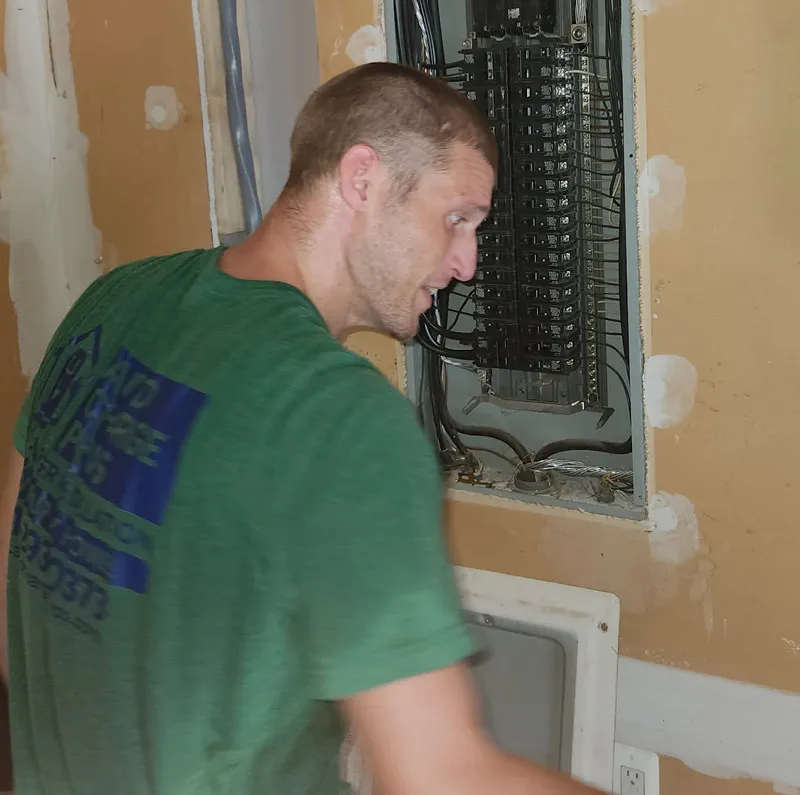
Nick Wilson inspecting a residential electrical panel during electrical work
Panel inspection / owner-performed work

01 / common problems

Electrical Problems We Diagnose

Residential electrical symptoms overlap. Diagnosis connects the symptom to the actual device, circuit, connection or panel condition.

01

FREQUENTLY TRIPPING BREAKERS

Repeated breaker trips can be caused by circuit overload, equipment faults, wiring problems, ground faults, short circuits, damaged devices or breaker/panel conditions. The cause should be identified before the breaker is simply replaced.

02

DEAD OUTLETS OR CIRCUITS

Loss of power can originate at the affected device, another device upstream, a GFCI, splice, breaker, damaged conductor or another point on the circuit.

03

FLICKERING OR DIMMING LIGHTS

Flickering can involve the lamp or fixture, a switch, loose connection, circuit condition, voltage issue or another electrical problem.

04

INTERMITTENT POWER

Problems that appear and disappear can require systematic circuit tracing and testing to identify a loose connection, failing device or other intermittent fault.

05

WARM, BUZZING OR DISCOLORED DEVICES

Unexpected heat, buzzing, discoloration or signs of damaged electrical equipment should be evaluated promptly rather than treated as normal operation.

06

GFCI OR AFCI PROBLEMS

Repeated GFCI or AFCI operation can result from an actual fault, connected equipment, wiring conditions or device issues. The protection should not simply be bypassed.

02 / safety first

Some Electrical Symptoms Should Not Wait

Active arcing, visible smoke, fire, severe overheating or a strong burning odor can indicate an immediate electrical hazard. Do not continue using affected equipment. If there is an active fire or immediate danger, leave the area and contact emergency services.

If a circuit or device appears damaged or overheated, avoid repeatedly resetting the breaker or continuing to operate the equipment while waiting for evaluation.

03 / diagnosis before repair

Replacing the Part Is Not the Same as Finding the Problem

A breaker that trips does not automatically mean the breaker is bad. A dead receptacle does not automatically mean the receptacle itself failed. Electrical troubleshooting starts with the reported symptom and works through the circuit to identify the actual cause.

Potential diagnostic steps can include evaluation of:

  • +Affected devices
  • +Breaker operation
  • +Branch-circuit connections
  • +GFCI/AFCI devices
  • +Accessible junctions and splices
  • +Panel connections
  • +Connected equipment
  • +Grounding and bonding where relevant
  • +Recent remodeling or electrical changes
  • +Circuit loading
  • +Voltage conditions

The scope of testing depends on the problem. Parts should be replaced because the diagnosis supports the repair—not because they are easy to swap.

04 / breaker troubleshooting

Why Does My Circuit Breaker Keep Tripping?

A breaker is designed to protect the circuit. Repeated tripping can indicate that the circuit is being asked to carry too much load or that another electrical fault is present.

Possible causes can include:

  • +Circuit overload
  • +Short circuit
  • +Ground fault
  • +Equipment fault
  • +Damaged wiring
  • +Loose or overheated connection
  • +Breaker condition
  • +Panel or bus condition

Installing a larger breaker is not a solution unless the conductors and entire circuit are specifically designed for that rating.

Circuit Breaker Repair & Replacement ↗

05 / dead outlets & partial power

Why Are Several Outlets or Lights Dead?

Multiple dead devices can sometimes trace back to one upstream point rather than several failed outlets. Depending on the circuit, the cause may be an upstream GFCI, failed connection, damaged device, open conductor, breaker issue or another wiring problem.

Troubleshooting follows the circuit rather than replacing every device that happens to be without power.

Outlet & Switch InstallationGFCI & AFCI Upgrades

06 / flickering & voltage

Flickering Lights Can Be Local—or Affect More of the Home

A single flickering fixture may involve the bulb, fixture, switch or branch circuit. Flickering or unusual voltage affecting multiple areas of the home can point to a broader electrical or service-related condition.

Auto Charge Pros evaluates whether the problem appears to originate within the home's electrical system or whether utility-side investigation may also be appropriate.

07 / older & remodeled homes

Previous Electrical Work Can Complicate the Diagnostic Path

Northern Virginia homes span many generations of construction and remodeling. Additions, basement finishes, device replacements and previous electrical modifications can change how circuits are routed and connected.

Troubleshooting may therefore involve understanding what has been changed over time rather than assuming the circuit still follows the home's original layout.

08 / repair scope

Diagnosis First. Repair Scope Second.

Once the cause is identified, Auto Charge Pros explains what was found, the recommended repair and whether the issue is limited to the immediate circuit or involves a larger electrical condition.

Possible outcomes can include:

  • +Repairing or replacing a damaged device
  • +Correcting a loose or damaged connection
  • +Replacing a failed or inappropriate breaker
  • +Repairing accessible branch-circuit wiring
  • +Correcting GFCI/AFCI issues
  • +Repairing panel connections
  • +Installing a dedicated circuit when an existing circuit is overloaded for the intended equipment
  • +Recommending panel or service work when a larger system problem genuinely exists

Larger upgrades should be separated from the immediate diagnostic repair and explained before additional work begins.

09 / panel problems

When Troubleshooting Leads Back to the Electrical Panel

Some circuit problems originate at the panel rather than at the device where the symptom appears. Breaker condition, conductor terminations, overheating, compatibility issues or panel damage can affect downstream circuits.

When a panel issue is found, the recommendation should match the actual condition. A single breaker problem does not automatically justify replacing the entire electrical panel.

Electrical Panel UpgradesCircuit Breaker Repair & Replacement

10 / permits

Do Electrical Repairs Require a Permit?

Many straightforward device or repair situations may not require a permit, while new circuits, panel work, significant rewiring or larger electrical modifications can trigger applicable permitting and inspection requirements.

The requirement depends on the jurisdiction and actual repair scope. When permitting is required and included in the project, Auto Charge Pros handles the applicable electrical permit paperwork and coordinates inspection.

Local requirements vary across Loudoun, Fairfax, Prince William and Fauquier counties.

11 / drywall access

What if the Fault Is Behind a Finished Wall or Ceiling?

Some electrical problems can be diagnosed and repaired at accessible devices, boxes or panels. Others may require access to concealed wiring or connections.

If drywall access becomes necessary, the reason and expected location are discussed before opening finished surfaces whenever practical. Where included in the written estimate, removed drywall can be fastened back after the required electrical work and inspection. Full finishing—including tape, compound and sanding—is available separately when requested.

12 / troubleshooting vs. estimate

Why Troubleshooting Is Different From Quoting a Known Installation

A new outlet, charger or clearly defined installation can often be priced from a known scope. Troubleshooting is different because the repair cannot always be identified until testing is performed.

The diagnostic visit is used to locate the problem and determine the appropriate repair. Once the issue is identified, any additional repair or upgrade beyond the diagnostic scope should be explained before proceeding.

14 / questions homeowners ask

Electrical Troubleshooting FAQs

Why does my breaker keep tripping?

The cause can include overload, a short circuit, ground fault, equipment problem, wiring condition or breaker/panel issue. The circuit should be diagnosed before assuming the breaker itself is defective.

Why are some of my outlets dead?

The problem can originate at an upstream device, GFCI, connection, breaker or branch-circuit conductor. Testing helps identify where power is being lost.

Why do my lights flicker?

A single fixture can have a local device or connection problem, while flickering affecting multiple areas can involve a broader circuit, service or voltage condition.

Should I keep resetting a breaker that trips?

A breaker that repeatedly trips is indicating a condition that should be evaluated. Repeatedly resetting a breaker without identifying the cause is not a repair.

Is a warm outlet normal?

Electrical devices can operate at different temperatures depending on load, but unexpected heat, discoloration, odor or signs of damage should be evaluated rather than ignored.

Can you troubleshoot older homes?

Yes. Troubleshooting is based on the actual circuit and electrical condition rather than the age of the home alone. Previous remodeling and electrical changes may affect the diagnostic path.

Will troubleshooting require drywall damage?

Not always. Many problems can be diagnosed from accessible devices, panels and boxes. If concealed wiring must be accessed, expected openings are discussed before work proceeds whenever practical.

Do electrical repairs require permits?

It depends on the repair. Larger modifications such as new circuits, panel work or significant rewiring may require permits, while straightforward repairs may not.

Do you warranty repairs?

Auto Charge Pros provides a one-year workmanship and installed-materials warranty on covered repair work. Manufacturer warranties may separately apply to installed equipment.

15 / owner-operated

Your Troubleshooting Is Performed by the Electrician Diagnosing the Problem

Auto Charge Pros is owner-operated by Virginia Master Electrician Nick Wilson. Nick performs the electrical troubleshooting, explains the findings and completes the covered repair work.

No subcontractors.

About Auto Charge Pros ↗

16 / service area

Electrical Troubleshooting Throughout Northern Virginia

Residential diagnostic work across four Northern Virginia counties.

READY WHEN YOU ARE

Have an Electrical Problem That Needs to Be Diagnosed?

Tell us what the electrical system is doing, when the problem started and which areas of the home are affected. Photos of the electrical panel, affected devices or visible damage can help us understand the situation before the diagnostic visit.

If there is active fire, smoke or immediate danger, leave the area and contact emergency services.