
01
STANDARD RECEPTACLES
Replacement or installation of properly rated residential receptacles based on the branch circuit and intended use.
OUTLETS & SWITCHES / NORTHERN VIRGINIA
Loose receptacles, damaged devices, outdated switches and poorly placed outlets can create everyday electrical problems throughout a home. Auto Charge Pros installs and replaces residential outlets, switches, dimmers and related devices while evaluating the circuit, wiring, grounding and intended use before the work is completed.
Owner and Virginia Master Electrician Nick Wilson personally performs the electrical work, with no subcontractors.
Virginia Master Electrician • Licensed & Insured • Owner-Operated
01 / replacement vs repair
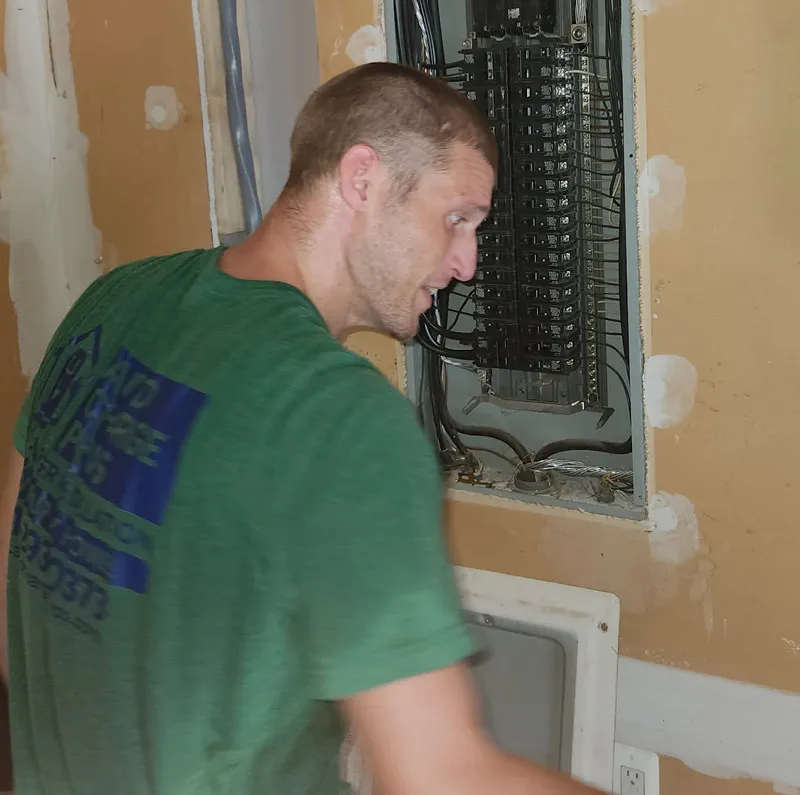
A loose, dead, warm or intermittent outlet should not automatically be replaced without considering the condition of the circuit. The problem may involve the receptacle itself, a loose connection, upstream device, GFCI, breaker, damaged conductor or another point on the branch circuit.
When symptoms suggest more than normal device wear, Auto Charge Pros diagnoses the circuit before treating the receptacle or switch as the only problem.
Electrical Troubleshooting & Repair ↗02 / outlets we install
The right device depends on the circuit, location, equipment and conditions behind the wall.
01
Replacement or installation of properly rated residential receptacles based on the branch circuit and intended use.
02
Current electrical requirements call for listed tamper-resistant receptacles in applicable dwelling-unit locations, including attached and detached garages and other covered residential areas.
03
Ground-fault protection installed or corrected in locations where applicable to the circuit and current code requirements.
04
Listed combination receptacles can provide integrated charging ports while retaining normal branch-circuit protection and device requirements.
05
Weather-resistant devices, appropriate boxes and weatherproof covers are selected for the actual damp or wet location.
06
Equipment-specific receptacles are evaluated around the circuit rating, connected load and manufacturer requirements rather than assuming one outlet type fits every appliance.
03 / 15A vs 20A
The receptacle rating needs to be appropriate for the branch circuit and application. A 20-amp branch circuit does not mean every duplex receptacle on that circuit automatically needs to have a 20-amp face configuration.
Auto Charge Pros verifies the branch-circuit rating, conductor size, existing protection and intended load before selecting the device.
Changing the receptacle does not change the capacity of the wiring behind it.
04 / grounding & polarity
A receptacle replacement should not simply cover over an existing wiring problem. The electrical box, conductor condition, grounding and connections should be evaluated as appropriate to the work.
Possible issues can include:
If the circuit has a larger wiring problem, that condition should be explained separately rather than hidden by installing a new device.
05 / GFCI & AFCI
GFCI and AFCI protection solve different electrical problems. Depending on the location, circuit and work being performed, outlet or switch work can involve ground-fault protection, arc-fault protection or both.
Replacing a required protective device with an ordinary receptacle or breaker simply to stop nuisance tripping is not an appropriate repair.
GFCI & AFCI Installation ↗06 / outdoor outlets
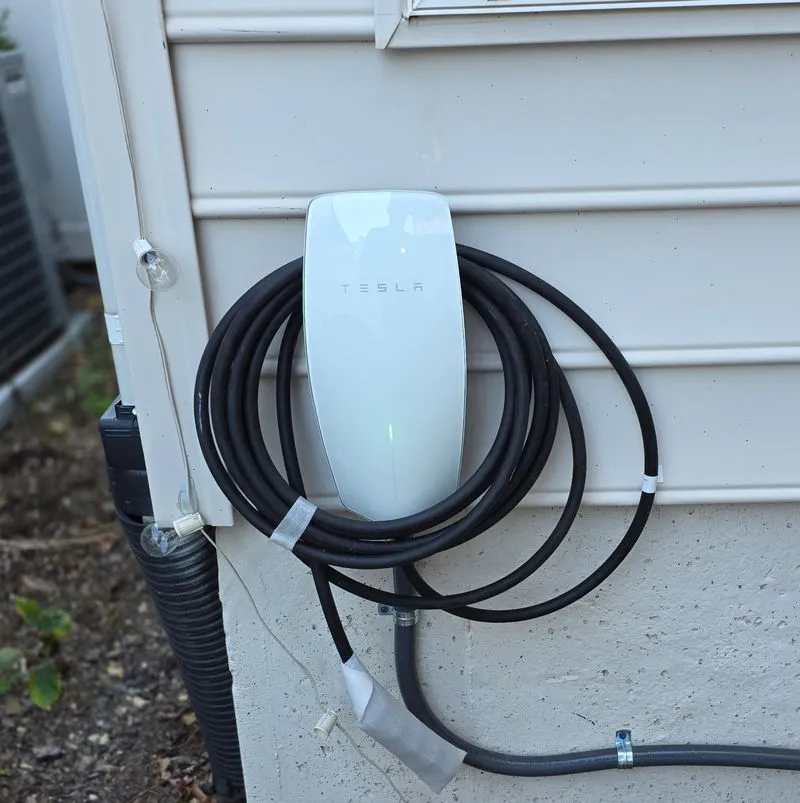
Outdoor receptacles are exposed to moisture, temperature changes and corrosion conditions that do not exist inside the home. Applicable receptacles in damp or wet locations should use listed weather-resistant equipment and the proper weatherproof enclosure or cover for the location.
For wet locations, consider:
07 / switches & dimmers
Switches and controls should match the circuit, connected load and intended operation.
01
Single-pole, three-way and other residential switching configurations installed according to the actual circuit.
02
Dimmers should be compatible with the connected lighting load and lamp/driver technology.
03
Listed controls can be installed where appropriate for the room, load and desired operation.
04
Timer controls can be useful for compatible lighting and residential loads when installed for the intended equipment.
05
Smart controls can require specific wiring conditions, including a neutral conductor on many products. Existing wiring should be confirmed before promising compatibility.
08 / LED dimmer compatibility
A dimmer and LED lamp or fixture need to be electrically compatible. Flickering, limited dimming range, delayed response or lamps that do not fully turn off can result from an incompatible dimmer/load combination or another wiring condition.
Before installing a dimmer, consider:
Replacing the dimmer does not solve every flickering-light problem. Electrical Troubleshooting & Repair is the better starting point when symptoms suggest a broader issue.
09 / new outlet locations
Replacing an existing receptacle uses the existing branch-circuit location. Adding a completely new outlet can require new cable routing, box installation, circuit evaluation and access through finished walls or ceilings.
Before adding a receptacle, evaluate:
High-demand equipment should not simply be added to a convenient existing circuit without verifying that the circuit is appropriate for the load.
10 / garage outlets
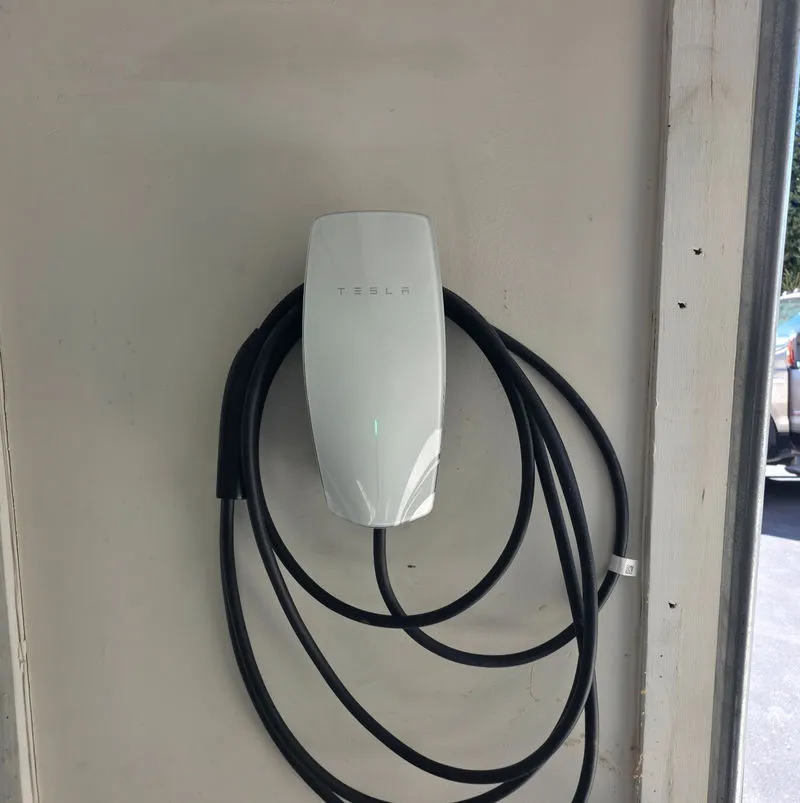
Garages increasingly support tools, refrigerators, freezers, workbenches and other electrical equipment in addition to normal convenience receptacles. New garage outlet work should be planned around the intended load and current circuit requirements.
Current code includes specific requirements for dwelling-unit garage receptacle circuits, including a required 120-volt 20-amp branch circuit for required vehicle-bay receptacle outlets.
For EV charging, see EV Charger Installation and NEMA 14-50 Outlet Installation.
11 / EV charging
High-amperage EV charging outlets are a different type of project from ordinary residential receptacle work. NEMA 14-50 and NEMA 6-50 installations require dedicated circuit planning, electrical-capacity evaluation and equipment-specific requirements.
12 / warm or loose outlets
A plug that no longer fits securely, visible discoloration, unexpected heat, buzzing or signs of damaged plastic can indicate a worn device or connection problem.
The device and accessible circuit connections should be evaluated before continued use.
If there is active arcing, smoke, severe overheating or fire, stop using the equipment and contact emergency services if there is immediate danger.
13 / installation process
Each installation starts with the device and circuit conditions that are actually present.
01
Nick reviews the requested device, circuit and intended use.
02
Check accessible wiring, grounding, box and connection conditions relevant to the work.
03
Confirm device rating, GFCI/AFCI needs and equipment compatibility.
04
Install the appropriate listed receptacle, switch or control and complete the required connections.
05
Test operation and explain any larger electrical issue discovered during the work.
14 / drywall access
Simple device replacement generally does not require drywall openings beyond the existing electrical box. Adding or relocating outlets can require access to route new wiring through finished walls or ceilings.
If access is needed, expected openings are discussed before work begins whenever practical. Where included in the written estimate, removed drywall can be fastened back after the required electrical work and inspection. Full finishing—including tape, compound and sanding—is available separately when requested.
15 / permits
Permit requirements depend on the work being performed and the jurisdiction. A straightforward like-for-like device replacement may be treated differently from adding a new circuit, extending wiring or completing a larger remodel.
When permitting is required and included in the project scope, Auto Charge Pros handles the applicable permit process and coordinates inspection.
16 / cost
Cost depends on whether the work is a straightforward device replacement or a new electrical installation.
Factors can include:
Auto Charge Pros reviews the project and provides a written estimate based on the actual scope.
17 / questions homeowners ask
The receptacle contacts may be worn, the device may be loose in the box or another mounting/wiring issue may be present. A plug that no longer fits securely should be evaluated.
The receptacle rating must be appropriate for the branch circuit and application. Installing a higher-rated receptacle does not increase the capacity of the existing conductors or breaker.
Current electrical requirements call for listed tamper-resistant receptacles in applicable dwelling-unit locations, including covered garage and accessory-building locations.
Applicable outdoor receptacles require weather-resistant equipment and suitable weatherproof protection for the location, along with required GFCI protection.
No. GFCI requirements depend on location, circuit and application. Bathrooms, garages, outdoors, basements and other specified locations commonly require GFCI protection under current requirements.
Often, but the existing circuit, load, wiring route and protection requirements need to be evaluated first. High-demand equipment may need a dedicated circuit instead.
Possible causes include dimmer/LED incompatibility, load characteristics, wiring conditions or a broader electrical problem. The fixture and control should be evaluated before assuming one component is defective.
Yes, when the existing wiring and connected load are compatible with the selected device. Many smart controls require specific wiring conditions such as a neutral conductor.
Permit requirements depend on the project and jurisdiction. A simple device replacement can be treated differently from new circuits or substantial wiring modifications.
Auto Charge Pros provides a one-year workmanship and installed-materials warranty on covered installation work. Manufacturer warranties may separately apply to devices.
18 / owner-operated
Auto Charge Pros is owner-operated by Virginia Master Electrician Nick Wilson. Based in Aldie, Virginia, Nick evaluates the circuit and personally performs the outlet or switch installation.
No subcontractors.
About Auto Charge Pros ↗19 / related services
Choose the focused page when the project extends beyond a device replacement or switch installation.
20 / service area
Residential device and circuit evaluation across four Northern Virginia counties.
READY WHEN YOU ARE
Send us a photo of the existing device or proposed new location and a brief description of what you want to power or control. For new outlet locations, include a wider photo showing the surrounding wall or room so the wiring route can be considered.