
TYPE 1 SPD
Type 1 surge protector
A Type 1 SPD is permanently connected and can be listed for installation on the line side or load side of the service overcurrent device, depending on the equipment and installation.
ELECTRICAL PROTECTION / NORTHERN VIRGINIA
A whole-home surge protective device helps limit damaging transient voltage before it reaches sensitive equipment throughout the home's electrical system. Auto Charge Pros evaluates the electrical panel, service configuration, grounding and compatible SPD options before installation.
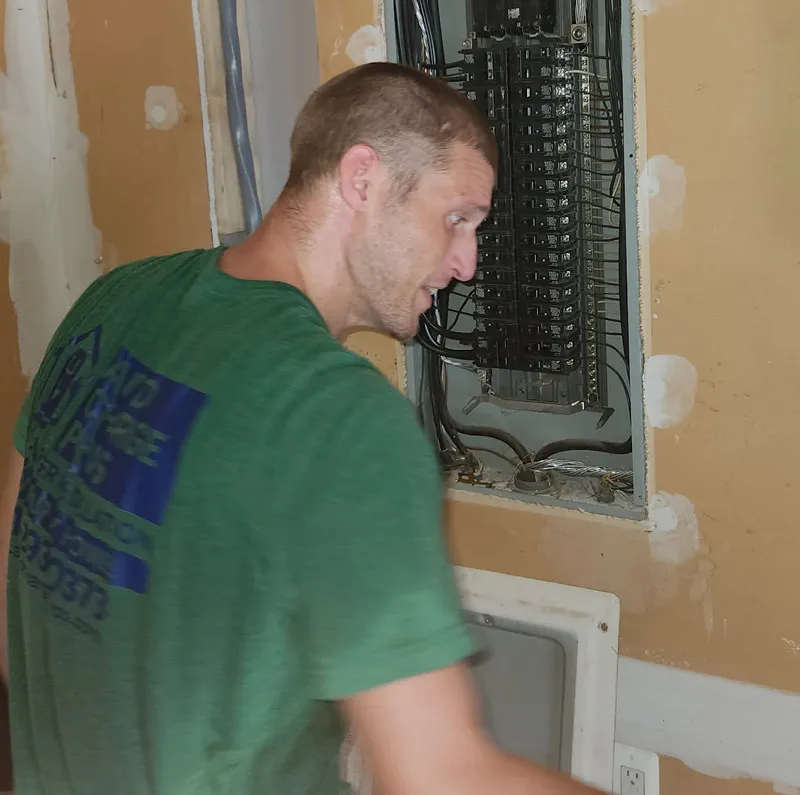
Owner and Virginia Master Electrician Nick Wilson personally performs the electrical work, with no subcontractors.
Virginia Master Electrician • Licensed & Insured • Owner-Operated
01 / what surge protection does
A surge protective device is designed to limit short-duration voltage spikes and divert surge energy away from connected electrical equipment. Surges can originate outside or inside the home, including utility switching, nearby lightning events and switching of electrical loads.
Whole-home surge protection can help reduce exposure for:
02 / type 1 vs type 2
TYPE 1 SPD
A Type 1 SPD is permanently connected and can be listed for installation on the line side or load side of the service overcurrent device, depending on the equipment and installation.
TYPE 2 SPD
A Type 2 SPD is installed on the load side of the service overcurrent device and is commonly connected at service or distribution equipment.
The correct device is selected based on the service configuration, panel equipment, manufacturer requirements, listing and installation location—not simply by choosing whichever SPD has the largest number printed on the package.
A whole-house surge protector electrician should evaluate the electrical panel and service equipment before selecting the device.
03 / current code
Virginia currently uses the 2021 Virginia code cycle referencing the 2020 National Electrical Code. NEC 230.67 requires services supplying dwelling units to have a Type 1 or Type 2 surge protective device.
The requirement also applies when dwelling service equipment is replaced.
This distinction matters during an electrical service or service-equipment replacement. A standalone SPD installation at an existing home is different from replacing service equipment as part of a larger panel or service project.
Electrical Panel Upgrades →04 / location matters
SPD performance depends on more than the device itself. The connection should follow the manufacturer's instructions and place the device appropriately in relation to the electrical equipment being protected.
For externally connected SPDs, keeping conductor paths short and direct is important because unnecessary lead length can reduce surge-protection performance.
Evaluate:
05 / panel compatibility
Surge protective devices are electrical equipment with specific voltage, connection, short-circuit rating and installation requirements. The appropriate SPD should be selected for the home's electrical system and installed according to its listing and manufacturer instructions.
Consider:
06 / grounding & bonding
An SPD does not correct grounding, bonding, neutral or panel defects. Existing electrical-system conditions should be evaluated separately when they affect the installation.
If grounding or bonding problems are discovered within the project scope, they should be identified rather than assuming the surge protector solves them.
07 / whole-home + point-of-use
Panel-mounted whole-home surge protection provides protection at the electrical distribution system, while quality point-of-use surge protection can add another layer for particularly sensitive plug-connected electronics.
The two approaches are complementary rather than mutually exclusive.
Examples:
08 / lightning
An SPD can help limit surges caused by nearby lightning and other transient events, but no standard panel-mounted surge protective device can guarantee protection against a direct lightning strike to the structure.
A dedicated lightning-protection system is a separate type of protection from a residential electrical-panel SPD.
09 / EV chargers & modern equipment
Modern homes contain increasing amounts of electronic controls—from HVAC equipment and appliances to networking devices, smart-home equipment and EV chargers. Whole-home surge protection provides an additional protective layer for circuits supplying that equipment.
Surge protection does not replace the charger's required circuit protection, grounding, installation requirements or manufacturer warranty.
10 / service & panel upgrades
When dwelling service equipment is being replaced, the current code requirement for surge protection becomes part of the service-equipment project. That makes panel/service work a logical time to evaluate the SPD configuration.
A homeowner can also choose to add compatible whole-home surge protection to an existing electrical system as a standalone improvement.
Electrical Panel Upgrades →11 / status indicators
Many residential SPDs include indicator lights or another status indication showing whether the protective components remain operational. At project completion, Auto Charge Pros explains the status indicator for the installed equipment.
Homeowners should periodically verify the device status according to the manufacturer's instructions. If the indicator shows loss of protection, the device should be evaluated or replaced as appropriate.
12 / installation process
01
Nick reviews the service/panel configuration, equipment compatibility and installation location.
02
Select an appropriately listed Type 1 or Type 2 SPD for the electrical system and intended connection.
03
Install the SPD according to manufacturer requirements with an appropriate connection and routing.
04
Verify installation and explain the device's status indication.
05
Coordinate applicable requirements when the SPD is part of permitted panel/service work or when the jurisdiction requires a permit for the specific scope.
13 / permits
Permit requirements depend on the jurisdiction and project scope. A standalone SPD installation may be treated differently from a panel replacement or service-equipment upgrade.
When surge protection is installed as part of permitted service or panel work, it is included within the applicable electrical scope. Auto Charge Pros confirms the requirements for the actual project.
14 / cost
Cost depends on the surge protective device, electrical-panel configuration, connection method, available breaker space, service equipment and whether the installation is standalone or part of another electrical project.
Auto Charge Pros reviews the electrical equipment and provides a written project-specific estimate before installation.
15 / questions homeowners ask
Under the 2020 NEC currently referenced by Virginia, services supplying dwelling units require a Type 1 or Type 2 SPD. The requirement also applies when dwelling service equipment is replaced. Existing installations and individual project scopes should be evaluated separately.
Type 1 devices can be listed for installation on the line or load side of the service overcurrent device. Type 2 devices are installed on the load side. The correct device depends on the electrical configuration and product listing.
No standard residential SPD can guarantee protection from a direct lightning strike to the structure. A lightning-protection system is separate from electrical-panel surge protection.
Point-of-use protection can complement whole-home surge protection for sensitive plug-connected electronics.
Whole-home surge protection can help limit transient voltage reaching circuits throughout the home, including the EV charging circuit, but it does not replace the charger's required circuit protection or proper electrical installation.
Not necessarily. Many existing electrical systems can accept a compatible SPD without replacing the panel. The existing equipment must first be evaluated for compatibility and installation requirements.
Many SPDs include status indicators. Auto Charge Pros explains the indicator for the installed device, and homeowners should periodically check it according to the manufacturer's instructions.
Auto Charge Pros provides a one-year workmanship and installed-materials warranty on covered installation work. The surge protective device may also have a separate manufacturer warranty.
16 / owner-operated
Auto Charge Pros is owner-operated by Virginia Master Electrician Nick Wilson. Nick evaluates the electrical equipment and personally performs the surge-protection installation.
No subcontractors.
About Auto Charge Pros →17 / related services
18 / service area
READY WHEN YOU ARE
Send us a clear photo of your electrical panel or service equipment with the cover closed and door open. We can review the basic equipment configuration and determine the appropriate next step for adding compatible whole-home surge protection.