Family-owned and locally operated by Nick Wilson • Licensed & insured • Serving Northern Virginia
Auto Charge Pros

240V EV CHARGING / NORTHERN VIRGINIA

NEMA 14-50 Outlet Installation for EV Charging

A professionally installed NEMA 14-50 receptacle can provide flexible Level 2 charging for compatible plug-in EV charging equipment. Auto Charge Pros evaluates the electrical panel, available service capacity, circuit requirements and wiring route before installing the dedicated 240-volt circuit.

Owner and Virginia Master Electrician Nick Wilson personally performs the electrical installation work, with no subcontractors.

Virginia Master Electrician Tesla Certified Installer Licensed & Insured

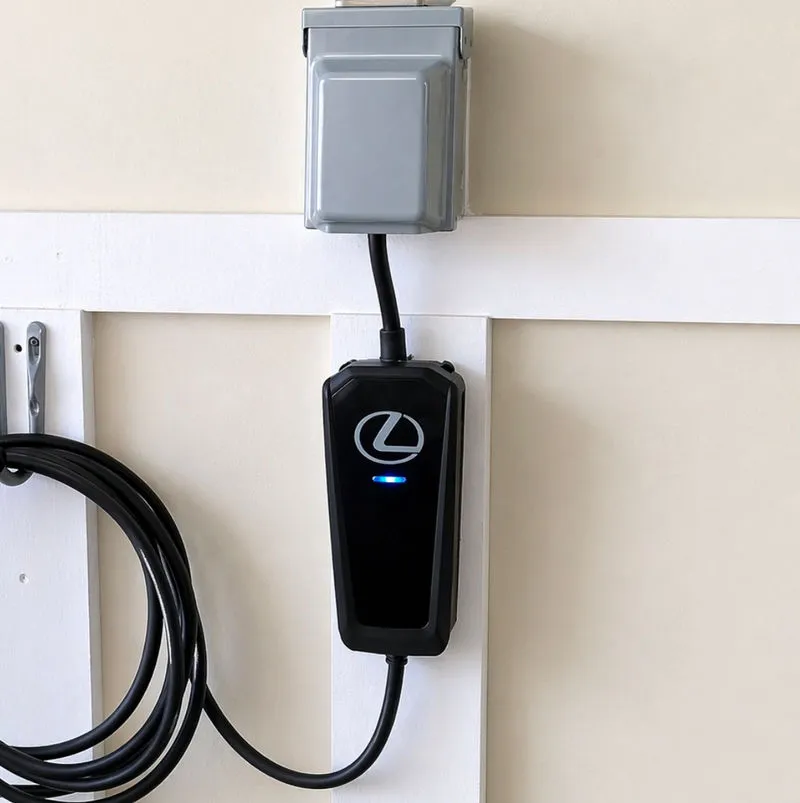
Completed NEMA 14-50 receptacle and compatible Lexus EV charging equipment in a residential garage
Completed home installation / plug-in EV charging

01 / what a 14-50 provides

50-Amp Circuit. Up to 40 Amps of Continuous EV Charging.

A NEMA 14-50 is a 125/250-volt, 50-amp grounding-type receptacle. For EV charging, the connected charging load is treated as a continuous load.

That means a 50-amp branch circuit normally supports a maximum continuous EV charging load of 40 amps.

50A circuit40A maximum continuous EV charging

A homeowner wanting compatible 48-amp charging should generally consider an appropriately designed hardwired charger installation when the electrical system supports it.

02 / four-wire circuit

A NEMA 14-50 Is a Four-Wire Receptacle

A properly installed NEMA 14-50 uses two ungrounded conductors, a neutral conductor and an equipment grounding conductor. The exact conductor size and wiring method depend on the circuit, conductor type, installation conditions and route.

Many portable EV chargers may not use the neutral during charging, but a NEMA 14-50 receptacle is still installed as the complete four-wire receptacle configuration.

A three-wire dryer circuit is not equivalent to a properly installed 14-50 circuit. An old dryer circuit should be evaluated and corrected before a NEMA 14-50 receptacle is considered.

03 / GFCI protection

EV Charging Receptacles Require GFCI Protection

Virginia currently uses the 2020 National Electrical Code as the referenced electrical code under the current Virginia code cycle. NEC 625.54 requires receptacles installed for the connection of electric vehicle charging equipment to have ground-fault circuit-interrupter protection for personnel.

For a new NEMA 14-50 EV charging receptacle, the circuit should therefore be designed with the applicable GFCI protection required for the installation.

This requirement applies because the receptacle is being installed for EV charging—not simply because it happens to be located in a garage.

A hardwired EV charging installation does not use the exact same receptacle and GFCI arrangement. Its protection and circuit design are evaluated as part of that hardwired installation.

04 / dedicated circuit

Your EV Outlet Should Be a Dedicated Charging Circuit

A new high-amperage EV charging receptacle should be supplied by an appropriately designed dedicated branch circuit rather than sharing the circuit with unrelated household loads.

The installation should address:

  • Breaker rating
  • Conductor ampacity
  • Panel compatibility
  • Grounding
  • Neutral connection
  • Receptacle rating
  • Enclosure and box
  • Termination torque
  • GFCI protection
  • Physical mounting
  • Applicable permit and inspection requirements

Adding a receptacle to an existing miscellaneous 240-volt circuit is not automatically acceptable.

Residential electrical panel during dedicated EV charging circuit work

05 / receptacle & terminations

The Receptacle and Connections Matter

EV charging can place a substantial continuous load on a receptacle and its terminations for hours at a time. A reliable installation therefore depends on more than simply buying a device with the correct NEMA configuration.

Auto Charge Pros uses appropriately rated equipment and installs conductors and terminals according to the equipment specifications, including required termination torque.

Consider:

  • Receptacle quality
  • Proper box support
  • Conductor preparation
  • Terminal torque
  • Breaker compatibility
  • Cable strain and plug orientation
  • Repeated plug-in / unplugging needs

High continuous loads make installation quality important. That does not make every inexpensive receptacle unsafe; the device, circuit and installation need to be evaluated together.

06 / hardwired vs. NEMA 14-50

Why We Usually Prefer Hardwired Charging for a Permanent Installation

01

HARDWIRED LEVEL 2 CHARGER

Advantages can include:

  • Eliminates the receptacle-and-plug connection
  • Compatible equipment can support up to 48A charging on an appropriate 60A circuit
  • Cleaner permanent installation
  • Fewer separate connection points
  • Well suited to chargers that will remain installed
  • Can support compatible load-management or power-sharing configurations

02

NEMA 14-50

Advantages can include:

  • Compatible with many portable EV chargers
  • Charger can be unplugged or moved
  • Useful when portability matters
  • Supports up to 40A continuous charging on a 50A circuit

For a homeowner planning to leave a charger permanently installed, Auto Charge Pros generally recommends considering a hardwired charger first. A NEMA 14-50 remains a practical option when the charging equipment is designed for plug-in use or portability is important.

The right choice depends on the charger, vehicle, electrical capacity and homeowner's priorities.

07 / existing 14-50 outlets

Already Have a NEMA 14-50 Outlet? Have It Evaluated Before Continuous EV Charging.

An existing 14-50 receptacle may have originally been installed for another appliance, temporary equipment or occasional use rather than hours of continuous EV charging.

Before relying on it for EV charging, evaluate:

  • Dedicated circuit status
  • Breaker size
  • Conductor size and type
  • GFCI protection
  • Receptacle condition
  • Box and mounting
  • Terminal condition
  • Grounding and neutral
  • Signs of heat or damage
  • Compatibility with the EV charging equipment

Do not assume an outlet is suitable for EV charging simply because the plug fits.

08 / dryer outlet

Can I Convert a Dryer Outlet to NEMA 14-50?

Not automatically. Dryer circuits commonly use different receptacle configurations, breaker sizes and conductor arrangements from a 50-amp NEMA 14-50 EV charging circuit.

Before any conversion is considered, the existing breaker, conductor size, number of conductors, grounding, neutral and wiring route must be evaluated.

Changing only the receptacle does not increase the capacity of the existing circuit.

09 / electrical capacity

A 50-Amp Breaker Still Requires Available Service Capacity

Open breaker spaces do not automatically mean the electrical service can support another 40-amp continuous EV charging load. Existing household demand also needs to be considered.

Auto Charge Pros evaluates available electrical capacity and completes the appropriate load calculation when required before recommending the charging circuit.

If capacity is limited, possible solutions may include:

  • Lower EV charging output
  • Compatible load management
  • Another appropriate charging configuration
  • Panel or feeder changes
  • Service upgrades when genuinely required

Do not upgrade the electrical service automatically. Evaluate the load first.

10 / wiring route

From the Electrical Panel to the Garage

The cost and complexity of a NEMA 14-50 installation often depend more on the wiring route than on the receptacle itself.

Possible routes may involve:

  • Garage electrical panels
  • Unfinished basements
  • Finished basements
  • Garage ceilings
  • Attics
  • Finished walls
  • Exterior routes
  • Detached garages

When practical, Auto Charge Pros prefers concealed wiring through accessible framing and unfinished areas instead of automatically installing exposed conduit across finished surfaces.

Expected drywall access is discussed before work begins whenever practical.

Questions about an existing electrical issue can be directed to Electrical Troubleshooting. See the main Services page for related residential electrical work.

11 / outdoor 14-50 outlets

Outdoor NEMA 14-50 EV Charging

A NEMA 14-50 receptacle installed outdoors for EV charging requires equipment and an enclosure suitable for the location and weather exposure, along with the applicable GFCI protection and electrical installation requirements.

Outdoor outlet placement should also consider cord routing, physical protection, vehicle movement and practical access.

A hardwired weather-rated charger may often be the cleaner permanent solution. Every outdoor installation still needs to be planned around the equipment, location and electrical system.

12 / installation process

How We Install a NEMA 14-50 EV Charging Outlet

01

PANEL REVIEW

Nick reviews the panel, available breaker space, service capacity and existing electrical demand.

02

CHARGER REVIEW

Confirm the plug-in charging equipment, maximum charging current and manufacturer requirements.

03

ROUTE PLAN

Determine the practical path between the electrical panel and outlet location and identify expected access.

04

CIRCUIT INSTALLATION

Install the appropriately designed dedicated circuit, GFCI protection, box and NEMA 14-50 receptacle.

05

TESTING

Verify the completed circuit, connections, grounding, voltage and receptacle operation.

06

PERMIT & INSPECTION

Coordinate applicable permit and inspection requirements according to the project jurisdiction and written scope.

13 / permits

NEMA 14-50 Permits in Northern Virginia

Installing a new 240-volt branch circuit and NEMA 14-50 receptacle for EV charging is subject to applicable electrical permitting and inspection requirements. The process varies by jurisdiction.

PRINCE WILLIAM COUNTY

Applicable electrical permitting and EV charging documentation requirements based on the project.

County details →

FAUQUIER COUNTY

Applicable residential electrical trade permit and inspection requirements.

County details →

Incorporated towns and independent cities can use different processes. Auto Charge Pros confirms the actual project jurisdiction before permit submission.

14 / cost

What Does NEMA 14-50 Installation Cost?

Installation cost depends on the existing electrical system and wiring route rather than simply the price of the receptacle.

Factors may include:

  • Panel location
  • Available electrical capacity
  • Circuit distance
  • Wiring method
  • Finished-wall or ceiling access
  • GFCI breaker requirements
  • Outdoor equipment
  • Detached structures
  • Panel corrections
  • Load management
  • Permitting
  • Drywall restoration

A receptacle installed a few feet from a suitable garage panel can be a very different project from a concealed basement-to-garage circuit. Auto Charge Pros reviews the actual installation before providing a written estimate.

15 / questions homeowners ask

NEMA 14-50 EV Charging FAQs

How fast can a NEMA 14-50 charge an EV?

A 50-amp NEMA 14-50 circuit can normally support up to 40 amps of continuous EV charging. The actual charging rate can be lower depending on the EV and charging equipment.

Can I charge at 48 amps from a NEMA 14-50?

No. A standard 50-amp circuit does not support a 48-amp continuous charging load. Compatible 48-amp charging is normally accomplished with appropriately designed hardwired equipment on a larger circuit when electrical capacity allows.

Does a NEMA 14-50 EV outlet need a GFCI breaker?

Under the 2020 NEC currently referenced by Virginia's code cycle, receptacles installed for EV charging require GFCI protection for personnel. The appropriate GFCI protection is included in the circuit design.

Does a 14-50 require four wires?

A NEMA 14-50 is a four-wire grounding-type receptacle using two ungrounded conductors, a neutral and an equipment grounding conductor.

Do EV chargers use the neutral?

Many plug-in EV charging units may not use the neutral while charging, but the NEMA 14-50 receptacle itself is installed with the complete four-wire configuration.

Can I use my existing dryer outlet?

Not without evaluating the existing circuit. Dryer circuits can have different breaker ratings, conductor sizes and receptacle configurations. Changing the receptacle alone does not increase circuit capacity.

Do I need a panel upgrade?

Not necessarily. Available service capacity should be evaluated first. Lower charging output or compatible load management may be alternatives when capacity is limited.

Is hardwired charging better?

For a permanent high-output home charging installation, Auto Charge Pros generally prefers hardwired equipment. NEMA 14-50 remains a practical choice for compatible plug-in equipment when portability matters.

Do I need a permit?

A new 240-volt EV charging circuit is subject to applicable electrical permitting and inspection requirements. Auto Charge Pros can handle permitting when included in the project scope.

Is the installation warranted?

Auto Charge Pros provides a one-year workmanship and installed-materials warranty on covered installation work. Charging equipment may have a separate manufacturer warranty.

16 / owner-operated

Installed by the Electrician Responsible for the Job

Auto Charge Pros is owner-operated by Virginia Master Electrician Nick Wilson. Nick evaluates the electrical system, plans the circuit and personally performs the installation.

No subcontractors. No handoff from salesperson to installer.

About Auto Charge Pros →

READY WHEN YOU ARE

Plan Your NEMA 14-50 Installation

Planning to use a plug-in Level 2 charger? Send us a photo of your electrical panel with the door open, a photo of the proposed outlet location, and the charger or vehicle model. We can review the basic electrical setup and determine whether a NEMA 14-50 or hardwired charger makes more sense for the project.