
01
SMART SWITCHES
Installation of compatible smart lighting switches where the existing circuit, box and wiring support the selected equipment.
SMART HOME ELECTRICAL / NORTHERN VIRGINIA
Smart switches, dimmers, doorbells and connected controls still depend on ordinary electrical fundamentals: correct power, compatible wiring, adequate box space, proper grounding and equipment that matches the load being controlled. Auto Charge Pros evaluates the existing electrical conditions before installing compatible smart-home equipment.
Owner and Virginia Master Electrician Nick Wilson personally performs the electrical work, with no subcontractors.
Virginia Master Electrician • Licensed & Insured • Owner-Operated
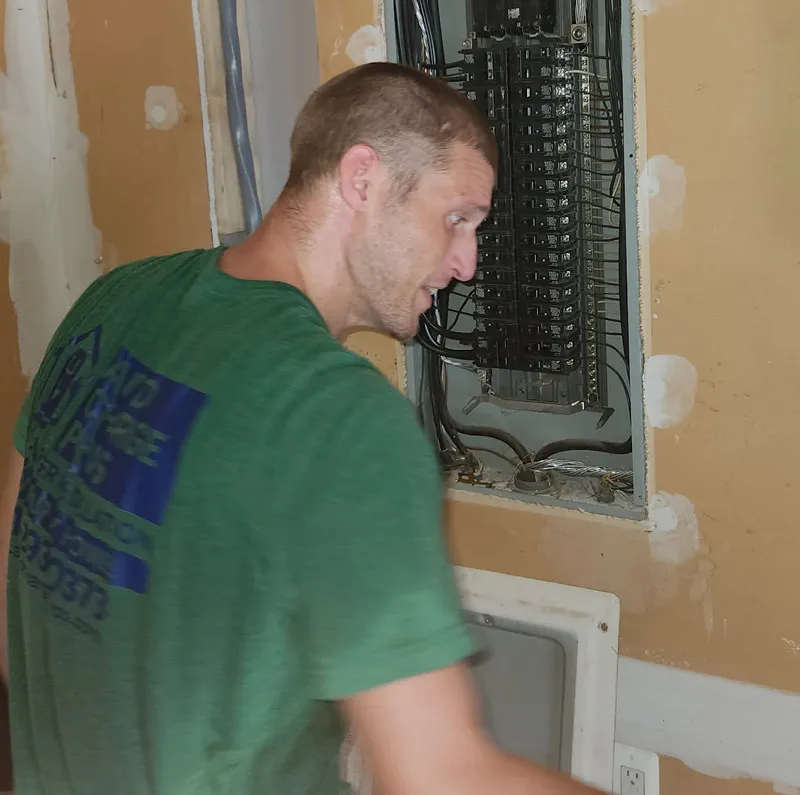
01 / what we install
Compatible smart-home equipment still needs the right circuit, box, conductors and connected load. We review those conditions before installation.
01
Installation of compatible smart lighting switches where the existing circuit, box and wiring support the selected equipment.
02
Smart dimmers installed around the connected lighting load, LED compatibility and manufacturer requirements.
03
Listed timer and scheduling controls for compatible residential lighting and electrical loads.
04
Sensor-based lighting controls installed where appropriate for the room, circuit and connected equipment.
05
Electrical evaluation and installation support for compatible wired doorbell equipment, including existing low-voltage wiring and transformer conditions where applicable to the project.
06
Additional listed residential controls can be evaluated according to their electrical requirements and the home's existing wiring.
02 / the neutral wire
Many electronic smart switches and dimmers require a neutral conductor because the device itself needs continuous power even when the controlled light is off. Some products are specifically designed to operate without a neutral, so requirements depend on the exact device.
Older switch boxes may not contain a neutral conductor even though the lighting circuit has one elsewhere. That condition needs to be confirmed before promising that a particular smart control can be installed.
Changing the switch does not create wiring that is not already in the box. If the selected equipment requires additional conductors, a new wiring route or different compatible device may be necessary.
Virginia currently references the 2020 NEC. Current electrical requirements include provisions for grounded conductors at many new lighting-control switch locations, subject to specific exceptions.
03 / box space
Electronic switches and dimmers are often physically deeper than standard mechanical switches. Existing electrical boxes may already contain multiple conductors, splices or multi-way switching connections.
Before installation, evaluate:
The solution should not be forcing an oversized electronic device into a box that cannot safely accommodate the wiring.
04 / smart dimmers & LEDs
A smart dimmer can be electrically functional and still perform poorly if it is incompatible with the lamps, LED drivers or fixtures it controls.
Possible symptoms include:
Before selecting a dimmer, evaluate:
05 / three-way & multi-way
Lighting controlled from two or more locations uses a different wiring arrangement from a simple single-pole switch. Smart-control manufacturers may require a specific companion switch, auxiliary control or wiring configuration.
Auto Charge Pros reviews the existing multi-way circuit and selected equipment before installation rather than assuming an ordinary smart switch can replace any switch in the circuit.
06 / smart doorbells
Many wired smart doorbells use the home's existing low-voltage doorbell wiring and transformer. The existing transformer, wiring and chime configuration need to be compatible with the selected equipment.
Possible conditions include:
Auto Charge Pros can evaluate the electrical/low-voltage power portion included in the project. Network setup, cloud accounts, subscriptions and manufacturer app support are separate from the electrical installation unless specifically included.
07 / smart thermostats
Smart thermostats can have specific low-voltage power and common-wire requirements. Compatibility also depends on the HVAC control system, not merely whether the thermostat fits on the wall.
Auto Charge Pros should only advertise electrical or wiring support that falls within the actual project scope. HVAC-system configuration, communicating equipment, proprietary controls and commissioning may require the appropriate HVAC professional.
08 / older homes
Older homes may have switch boxes without neutrals, smaller electrical boxes, previous modifications or wiring arrangements that were never designed for electronic controls.
That does not automatically mean the home needs rewiring. The existing circuit should be evaluated first to determine whether the selected device is compatible or whether another solution is more appropriate.
Evaluate the wiring first. Choose the device second.
09 / device will not work
A smart device that will not power up, repeatedly resets, flickers the connected lights or behaves inconsistently can have an electrical cause—but connectivity and software problems can produce similar symptoms.
Electrical issues can include:
Auto Charge Pros troubleshoots the electrical side of the installation. Wi-Fi signal strength, router configuration, account login problems, cloud outages and app/software issues remain separate unless specifically included.
Electrical Troubleshooting & Repair ↗10 / smart home vs extension cords
Permanent smart equipment should not rely on improvised extension-cord arrangements simply because power is not located where the device needs it.
When a new power location is required, Auto Charge Pros evaluates the existing circuit and plans an appropriate permanent electrical solution.
Outlet & Switch Installation ↗11 / circuit protection
Installing a smart device does not eliminate the protective requirements of the circuit. Where GFCI, AFCI or dual-function protection applies, the completed installation should maintain the required protection.
A smart switch or outlet should not be used as a workaround for a protective device that repeatedly trips. The circuit should be diagnosed first.
12 / new smart-device locations
Replacing an existing switch or control can often use the existing box and wiring when compatible. Adding a device where no power or control wiring exists can require new cable, electrical boxes and access through finished walls or ceilings.
Factors can include:
The project should be designed around the equipment—not improvised after the device is purchased.
13 / installation process
Each installation starts with the exact device and electrical conditions that are actually present.
01
Identify the exact manufacturer/model and electrical requirements.
02
Nick evaluates the box, conductors, neutral, grounding and switching configuration relevant to the installation.
03
Confirm connected load, dimming requirements, transformer requirements or companion controls.
04
Determine whether the existing location works or new wiring/access is required.
05
Install the compatible device and complete the covered electrical connections.
06
Confirm electrical operation of the installed equipment.
Manufacturer app setup or network configuration should only be included when explicitly stated in the written scope.
14 / app & Wi-Fi boundary
Auto Charge Pros' primary responsibility is the electrical installation.
Electrical scope can include:
Separate technology functions can include:
Do not promise ongoing troubleshooting of third-party apps or cloud services simply because Auto Charge Pros installed the electrical device.
15 / drywall access
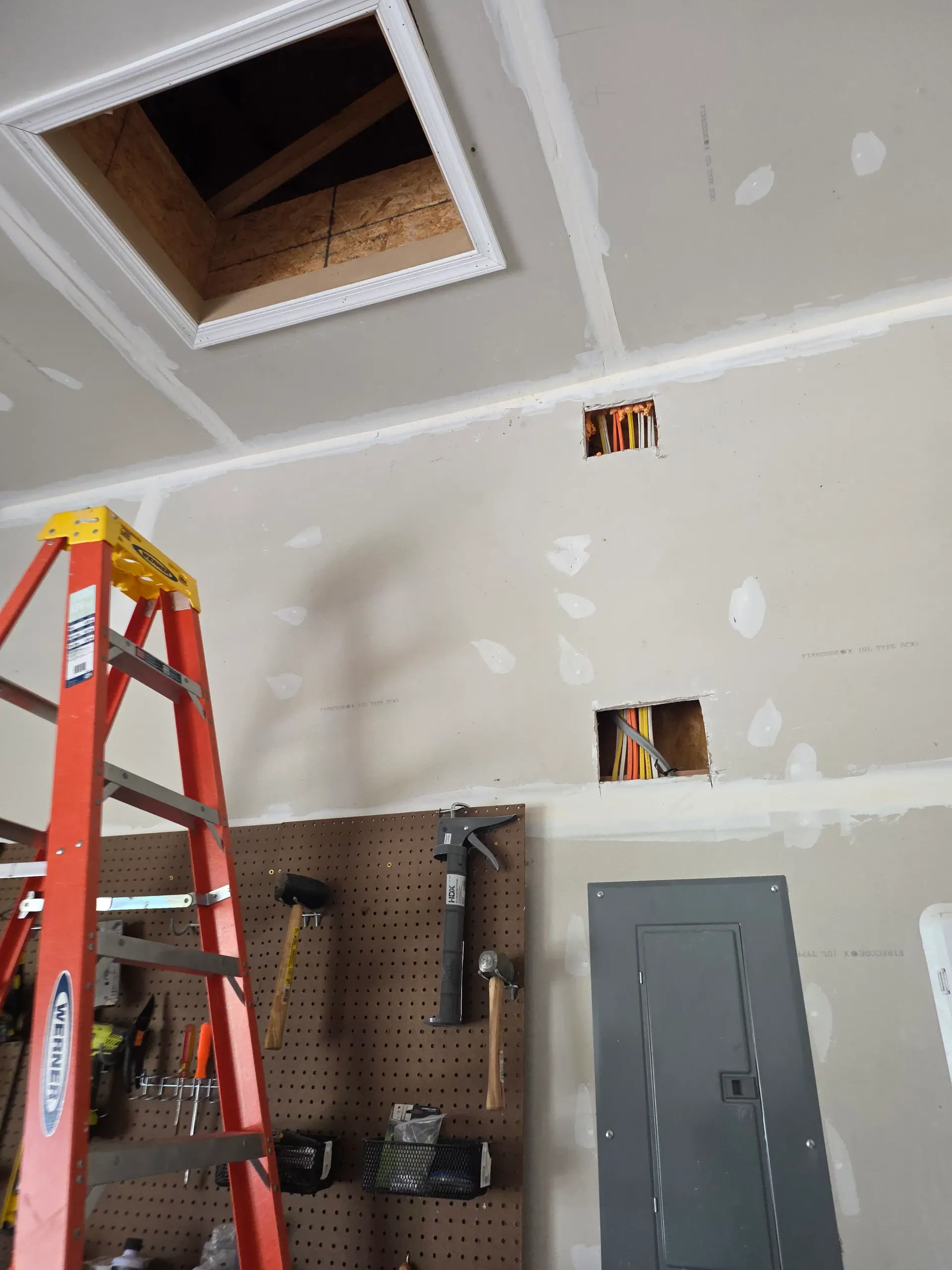
Replacing a compatible device at an existing electrical box normally requires no additional drywall openings. Adding a neutral conductor, new switch location, new power source or relocated device can require access through finished walls or ceilings.
Expected access is discussed before work begins whenever practical. Where included in the written estimate, removed drywall can be fastened back after the required electrical work and inspection. Full finishing—including tape, compound and sanding—is available separately when requested.
16 / permits
Permit requirements depend on the project and jurisdiction. A straightforward compatible switch replacement may be treated differently from adding new branch-circuit wiring, relocating devices or performing a larger electrical modification.
When permitting is required and included in the scope, Auto Charge Pros handles the applicable electrical permit process and coordinates inspection.
17 / cost
Cost depends primarily on whether the selected device is compatible with the wiring already present. Replacing one compatible switch is very different from adding a neutral conductor, replacing an electrical box or routing new power to a device location.
Factors can include:
Auto Charge Pros reviews the device and existing electrical setup before providing a written estimate.
18 / questions homeowners ask
Many smart switches require a neutral conductor, although some products are designed for installations without one. The exact device and existing wiring need to be reviewed.
Options depend on the circuit and selected device. A compatible no-neutral device may be appropriate in some cases, while other installations may require additional wiring.
Yes, when the dimmer and connected LED equipment are compatible. LED fixtures and drivers can behave poorly with an incompatible dimmer.
Often, but the selected system needs to support the existing multi-location arrangement. Some manufacturers use specific companion or auxiliary controls.
Auto Charge Pros can evaluate and complete applicable electrical/low-voltage power work for compatible wired doorbells. Network accounts, subscriptions and cloud services remain separate unless explicitly included.
Electrical or low-voltage wiring support may be possible depending on the system. HVAC compatibility and equipment commissioning may require an HVAC professional.
Auto Charge Pros can evaluate whether an electrical problem is affecting device operation. Router, Wi-Fi, cloud-service and app issues are not automatically part of the electrical service.
Usually not for ordinary switches and controls, but the circuit and connected load should be appropriate for the equipment. Larger or specialized loads may require separate evaluation.
Auto Charge Pros provides a one-year workmanship and installed-materials warranty on covered electrical installation work. Smart-device manufacturer warranties, software and cloud services remain separate.
19 / owner-operated
Auto Charge Pros is owner-operated by Virginia Master Electrician Nick Wilson. Nick reviews the electrical requirements and personally performs the covered installation work.
No subcontractors.
About Auto Charge Pros ↗20 / related services
Choose the focused page when the project extends beyond a connected device installation.
21 / service area
Residential smart-device wiring and electrical evaluation across four Northern Virginia counties.
READY WHEN YOU ARE
Send us the manufacturer and model number of the device, a photo of the existing switch or device location, and a wider photo of the surrounding area. If possible, include a photo of the electrical panel. We can review the basic electrical setup and determine whether the existing wiring appears compatible or whether additional work may be needed.